YouTube Opens Shopping Affiliate Earnings to Creators in Saudi Arabia, the UAE and Egypt
YouTube has switched on its Shopping affiliate programme in Saudi Arabia, the UAE and Egypt, letting creators with 500 subscribers earn commission on products they tag. Amazon is the first retail partner, and the launch lands weeks before the November shopping peak.

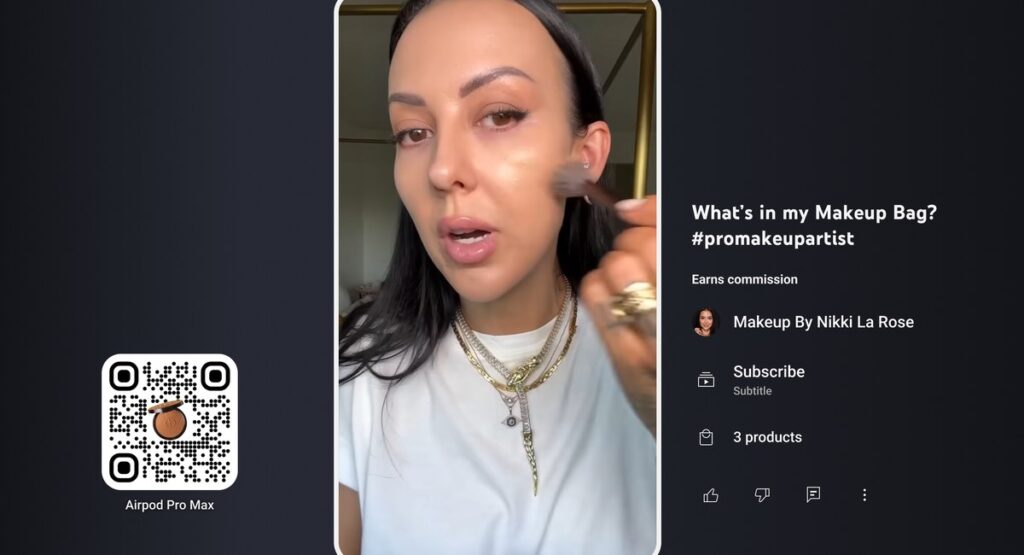
YouTube has launched its Shopping affiliate programme in Saudi Arabia, the UAE and Egypt, giving creators in the three markets a direct way to earn from the products they recommend. YouTube announced the rollout on Monday, 26 October, with Amazon as its first retail partner.
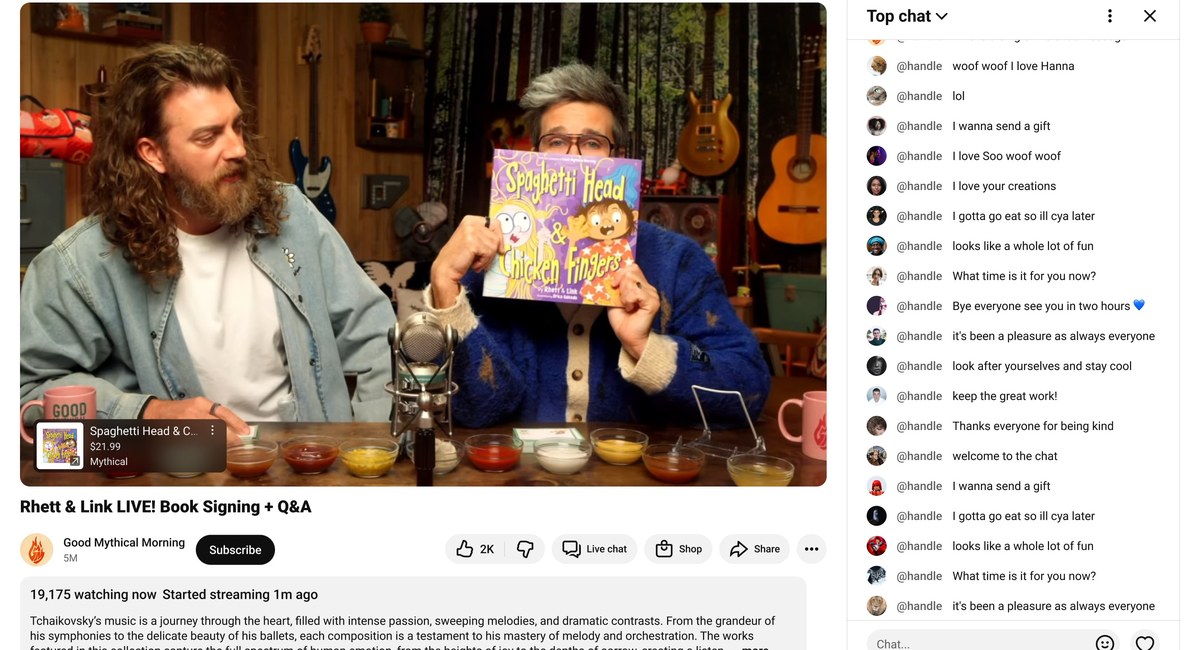
Eligible creators can now tag products in videos, Shorts and livestreams, and viewers who tap a tag are taken to Amazon checkout to complete the purchase. Viewers watching on a connected television can scan an on-screen QR code with their phone instead.
The programme is open to channels in the YouTube Partner Programme with at least 500 subscribers. That is the expanded tier, which also requires three public videos in the previous 90 days and either 3,000 valid public watch hours in the past year or three million valid Shorts views in 90 days.
YouTube says Google AI will identify products shown in videos and suggest tags, cutting the manual work creators used to do with links in descriptions. Creators can also tag products in older videos, which turns a back catalogue into a shopfront.
Launching YouTube Shopping in Saudi Arabia, the UAE & Egypt opens a massive new chapter for the creator economy, giving creators another, practical way to build their businesses, while offering brands a way to connect with highly engaged audiences.
Javid Aslanov, head of YouTube in the Middle East and North Africa, said the launch opens a new chapter for the region’s creator economy. He added that the Amazon partnership connects businesses with customers at the exact moment they look for recommendations.
This collaboration with YouTube brings together the power of authentic creator recommendations and Amazon’s trusted shopping experience. We’re excited to give creators across Saudi Arabia, the UAE, and Egypt a new way to connect their audiences with millions of products, while helping customers discover and buy what they need seamlessly.
Sumit Kapoor, director of marketing and Prime at Amazon for the Middle East, North Africa and Turkey, framed the deal as a meeting of creator trust and Amazon checkout. YouTube has described the launch as the first phase of its Shopping expansion across the Middle East and North Africa.
How creators get paid
A creator tags a product in YouTube Studio, and the commission is earned when a viewer clicks the tag and completes a qualifying purchase on the retailer’s site. If the viewer buys other eligible items from the same merchant in that journey, the creator can earn on those too.
Each merchant sets its own rate, and the rate shown in Studio is an estimate that can change. The rate that counts is the one in force on the day of purchase, not the day the product was tagged.
Google’s merchant guidance puts median commission rates in the programme at around 15 percent, with the bottom quarter of offers at 10 percent or less. Industry guides put typical category ranges higher for beauty and fashion and lower for electronics, with beauty at 12 to 20 percent, fashion at 8 to 15 percent, home and kitchen at 5 to 12 percent, electronics at 3 to 8 percent and books at 4 to 10 percent.
Here is the detail that matters most at launch. YouTube is currently running a temporary incentive under which 100 percent of commissions from affiliate merchants go to creators, and it says rates may reduce in future as the programme moves to a sustainable structure, with at least 30 days notice before the incentive ends.
Earnings are paid through AdSense within 60 to 120 days of purchase, a window that accounts for returns. A refunded purchase reverses the commission, which means early estimates in Studio are not final income.
Creators can also earn from viewers outside the region, in markets where YouTube Shopping is available, including the United States and Japan. For Gulf creators with international audiences, that cross-border earning is a real, if unquantified, upside.
YouTube also runs performance bonuses for eligible creators tied to sales in a given period, plus custom commission rates that merchants can offer to specific creators. The Affiliate Hub in Studio shows commission percentages, sale items and sample requests, so creators can choose what to tag rather than guessing.
Where the region fits in the global rollout
Before this launch, YouTube’s own eligibility page listed 14 markets for the affiliate programme. They were Argentina, Brazil, India, Indonesia, Japan, Korea, Malaysia, Mexico, the Philippines, Singapore, Taiwan, Thailand, the United States and Vietnam.
Saudi Arabia, the UAE and Egypt take that total to 17. The wider rollout to eligible creators in the United States began in June 2023, and YouTube lowered the entry threshold to 500 subscribers in March 2026, down from 10,000.
Elsewhere the programme leans on local retail partners, with Flipkart the named partner for creators in India. That pattern is the template for the Middle East, where Amazon is the launch partner and YouTube says more local and international retailers will follow.
We checked YouTube’s eligibility page while writing this story, and it still lists the pre-launch set of 14 markets, with no mention yet of the three new countries. The paperwork, in other words, is trailing the announcement, and creators checking the help pages will not yet see their own countries named.
What creators actually earn
YouTube says it has paid more than 100 billion dollars to creators, artists and media companies between 2022 and 2025. Its United States creative ecosystem alone contributed more than 60 billion dollars to GDP in 2025 and supported more than 540,000 full-time equivalent jobs, according to research by Oxford Economics commissioned by YouTube.
In India, the same research model put YouTube’s GDP contribution at more than 18,000 crore rupees in 2025, supporting more than 960,000 jobs. Nearly three quarters of monetising creators there told researchers that YouTube is their primary source of income.
The averages hide a skewed distribution. Survey data compiled in 2026 found 48.7 percent of United States creators earning under 10,000 dollars a year from their channels, 45.6 percent earning between 10,000 and 100,000 dollars, and 5.7 percent earning 100,000 dollars or more.
Affiliate income will sit on top of that reality, not replace it. It suits review, beauty, fashion, tech and home creators whose audiences already buy on recommendation, and it suits Shorts creators most of all, because short video advertising pays far less per view than long-form video.
The honest way to read the launch is as a new rung on the ladder, not a new ladder. A creator with 500 subscribers can now earn from day one, but meaningful affiliate income still needs an audience that trusts the recommendation enough to buy.
The rivals already in the feed
YouTube is not entering an empty market. TikTok Shop is already live in Saudi Arabia and the UAE, and its global merchandise volume passed 33 billion dollars in 2024.
TikTok’s regional road has been bumpy. One regional analysis records that a pause in live streaming in Saudi Arabia in late 2023 cut daily order volumes from around 30,000 to around 1,000 before they recovered, a reminder that a platform’s fortunes in the Gulf can turn on regulation as well as demand.
Instagram shut its first native affiliate programme in August 2022 after creators found it too fiddly to use. It returned to affiliate commerce in March 2026, when creators were again allowed to tag affiliate products in Reels and earn commission on resulting purchases.
Beyond the platforms, creator storefront networks have built real businesses from the same idea. LTK facilitates more than 6 billion dollars in annual consumer sales, and ShopMy reached a 1.5 billion dollar valuation, both by letting creators run shoppable pages across retailers.
The older route still exists too, with Amazon’s own Associates programme paying 1 to 10 percent by category through links creators have long pasted into descriptions. YouTube’s version removes the copy and paste step and puts the product inside the video itself.
The homegrown competition is Noon, whose live shopping format is already part of the region’s sales calendar. Market analysis estimates that Amazon, Noon and Carrefour together handle 45 to 50 percent of the UAE market’s gross merchandise value.
Snapchat is the quieter name in regional social commerce, flagged by regional analysts as an overlooked channel rather than a leading one. For now the fight that matters is between video platforms that can prove a sale, not just a view.
The licence catch
Here is the part of the story that does not appear in the launch announcement. A creator with 500 subscribers can switch the feature on, but in the UAE and Saudi Arabia, earning from product promotion is a regulated activity, and the rules do not care about follower counts.
In the UAE, an Advertiser Permit from the UAE Media Council has been mandatory since 1 February 2026 for anyone publishing promotional content from inside the country. The requirement applies whether the promotion is paid or gifted, the permit number must be displayed on the creator’s profiles, and reported fines reach 1 million dirhams for a first offence and 2 million for repeat violations.
The permit itself is free for citizens and residents for the first three years, then costs 1,000 dirhams to apply and renew. Visitors must go through a licensed agency for a visitor permit valid for three months and renewable once.
In Saudi Arabia, individuals who earn revenue from promotional content need a Mawthooq licence from the General Authority for Media Regulation. The licence costs 15,000 riyals for three years, covers YouTube explicitly, and non-Saudi creators must work through locally licensed agencies.
Disclosure is mandatory in both markets, and audiences punish undisclosed promotion quickly. A commission tag is still promotion, and creators who treat it as casual content are taking a compliance risk with their first payout.
YouTube’s own rules add a second boundary. Affiliate links are meant to reward genuine viewer engagement on YouTube itself, and routing traffic from outside sources through those links can lead to suspension of the affiliate feature.
The practical step for a new creator is to sort out permits before the first tagged post, not after the first payout. The platform barrier has fallen to 500 subscribers, but the regulatory barrier has not moved at all.
Why YouTube is moving now
The commercial logic is visible in YouTube’s own numbers. More than 40 million logged-in users across nine Middle East and North Africa countries made shopping-related searches on the platform in June 2026, and viewers globally watch more than 40 billion hours of shopping-related content each year.
Trust is the second number. A Kantar survey commissioned by YouTube found 86 percent of viewers in Saudi Arabia and the UAE considered YouTube creators the most trusted source for product recommendations, and 84 percent of Saudi respondents said the platform helped them make more confident shopping decisions.
The market is moving the same way. Market analysis values UAE social commerce at 3.21 billion dollars in 2024 and forecasts 6.41 billion by 2030, with 73 percent of consumers in the UAE and Saudi Arabia having bought through social channels in the past year.
The timing is deliberate. The launch lands weeks before the November shopping peak, when Gulf consumers are at their most ready to buy, and it gives creators a full season to learn which products their audiences actually purchase.
There is a defensive logic too, because every affiliate sale that happens through a YouTube tag is a sale that does not happen through TikTok Shop or an Instagram Reel. YouTube’s strongest asset in that fight is trust, and trust is exactly what the Kantar numbers measure.
We see three forces behind this launch, and they all point the same way. Shopping is moving into video, video creators want income that does not depend on advertising rates, and retailers want to pay only when a sale happens.


Leave a Reply