UAE-China Smart Transport Centre Launches in Dubai to Turn EV Talks Into Projects
Dubai has launched a year-round UAE-China Smart Transport Centre to turn clean mobility cooperation into real projects, pilots and investment.

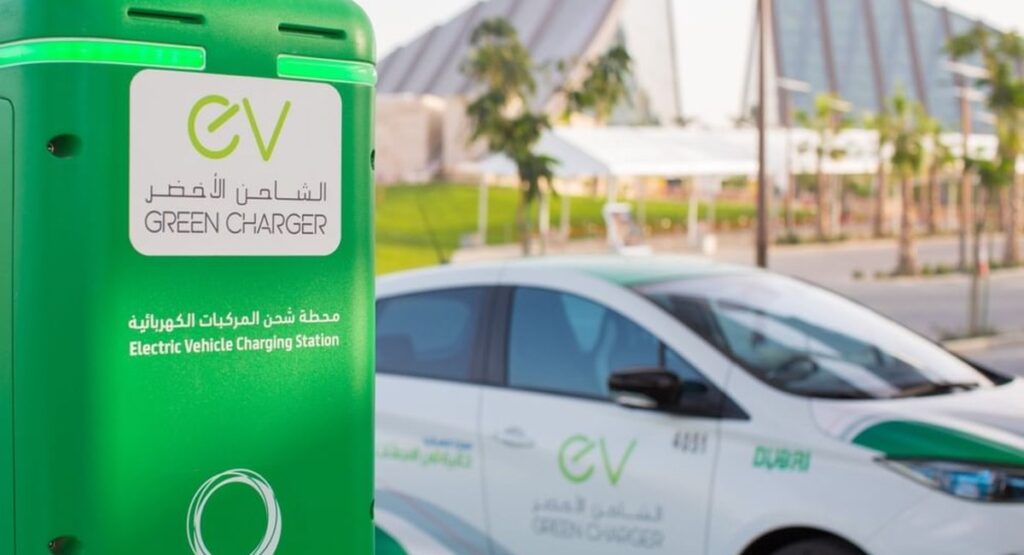
Dubai has launched the UAE-China Smart Transport Centre as a year-round platform for cooperation between the UAE and China in clean and smart mobility. Its job is to turn industry discussions into tangible projects, investments and business opportunities.
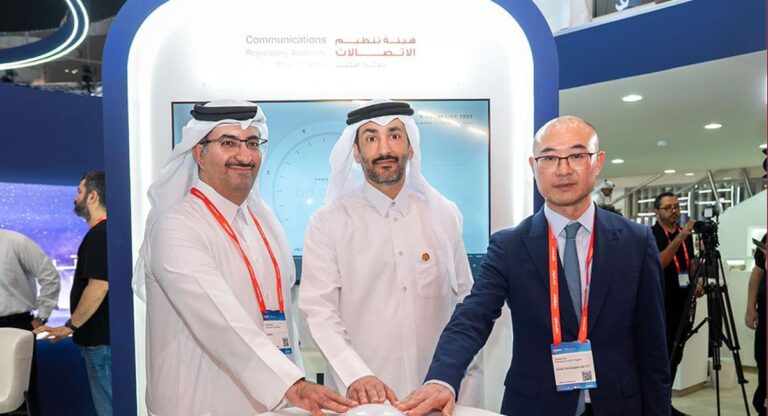
Dawood Al Shezawi, President of the Dubai International Electric Vehicle Exhibition and Conference 2026, announced the launch during the UAE-China Industrial Cooperation Forum on green and smart mobility. The forum ran as part of the exhibition at Dubai World Trade Centre.
The centre was set up in response to proposals from government entities and Chinese companies during a meeting on the sidelines of the exhibition’s first day. Participants called for clear pathways for licences and approvals, vehicle compatibility with local charging networks, local partners for service provision and skills development, and continued engagement with decision-makers after the exhibition ends.
Three tracks, from licences to pilots
The first track gives Chinese companies a single point of access to the relevant authorities and a clear view of regulatory procedures and requirements. That covers licensing, vehicle certification, safety standards and electric charging requirements.
The second track connects Chinese vehicle and technology manufacturers with UAE fleet operators, charging-network providers, industrial partners and investors. Regular meetings through the year are meant to turn those introductions into cooperation and investment opportunities.
The third track supports pilot projects in advanced technologies, including autonomous taxis, autonomous logistics, charging and energy. Companies can test their solutions, expand deployment in the UAE and prepare for wider entry into regional markets.
Al Shezawi stressed that the centre will not operate as a conventional headquarters. It is an institutional framework to keep cooperation going through the year, and progress will be reviewed during the next edition of the exhibition.
Trade already past $100 billion
Non-oil trade between the UAE and China surpassed US$100 billion for the first time last year, growing 24.5 percent. China is the UAE’s largest trading partner, while the UAE is China’s leading Arab trading partner in non-oil commodities.
The next phase of cooperation moves beyond trade indicators towards practical projects in transport, charging networks, ports and aviation. It draws on China’s leadership in new-energy vehicles, battery manufacturing, charging technologies, intelligent connected vehicles and autonomous driving, alongside the UAE’s vision for clean and smart mobility, advanced infrastructure and strategic location connecting Asia, the Middle East, Africa and Europe.
What it means for Dubai’s roads
We track this as a test of whether the UAE can become the place where Chinese mobility technology is proven before it scales across the region. The centre gives that ambition a permanent address and a review date, rather than leaving it to one exhibition a year.
The cooperation is already visible on Dubai’s roads. Autonomous taxis are operating, electric buses are in use, and new vehicle models from Chinese manufacturers have entered the UAE market.
Dubai aims to convert its entire taxi and limousine fleet to electric and hydrogen-powered vehicles by 2040. The forum also explored industrial and investment cooperation, moving beyond trade in goods and services towards industrial and technology localisation, supply-chain development, research and development and the adoption of advanced technologies for sustainable transport.

Leave a Reply