HelpStreetCat Lets You Feed a Street Cat in Alanya From Your Phone
Two founders in Alanya have built solar-powered feeding stations that let anyone trigger a real feeding from a phone and watch it live. Fourteen stations are built, and the team is seeking €300,000 to expand.

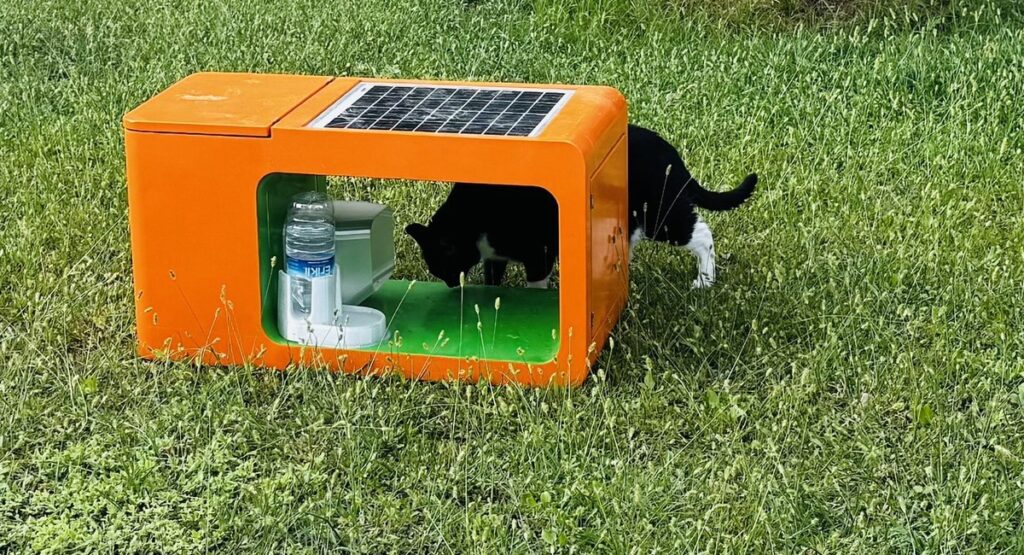
In Alanya, on Türkiye’s southern coast, a bright orange box on the grass can do something a bowl of kibble left on the pavement cannot. It lets a person far away trigger a real feeding, and watch it happen live.
That box is a HelpStreetCat station. The startup behind it wants to turn the everyday care of street cats into a system anyone can join from a phone, wherever they are.
This is not a concept or a prototype. The mobile app, the hardware and the feeding stations are already up and running, and people can already choose an available station, pay for a feeding and watch it happen live.
A habit that needed a system
When Aleksandr Kral moved to Türkiye in late 2022, he was struck by how naturally cats belonged to neighbourhood life in Alanya. People left food and water around their homes and shops, and looking after the animals was simply part of the day.
He also noticed what was left behind. Improvised containers, leftovers and dry food on the ground could be exposed to heat or rain, and keeping a shared space clean depended on somebody returning.
The kindness was clear, but sustaining it took time, supplies and regular attention. That practical gap became the starting point for HelpStreetCat.
Two founders, two kinds of experience
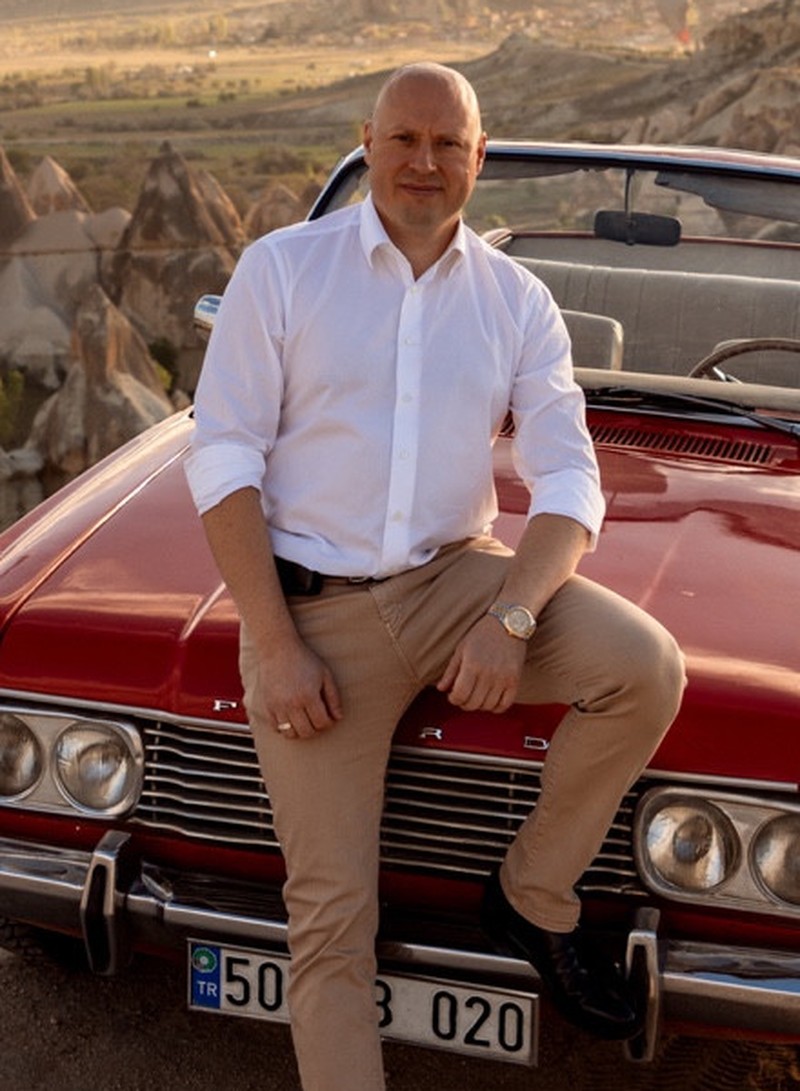
Kral, now Co-Founder and CEO, brought more than 15 years of entrepreneurial and management experience from Russia. He holds a Master’s degree in Law and had developed Arena Group, a services and cleaning group, between 2009 and 2024, managing operations involving more than 1,000 people.
His background also includes a separate completed residential development valued at more than US$20 million. At HelpStreetCat, his work covers company development, commercial strategy, fundraising and the organisation of growth.
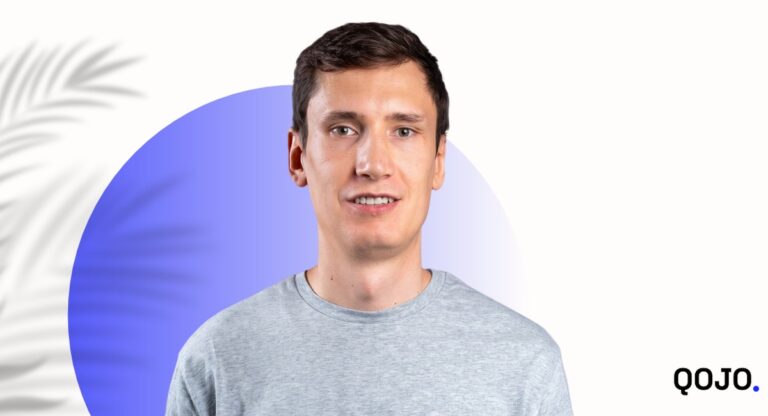
The engineering side belongs to Aleksandr Brizhatov, Co-Founder and Engineering Lead. He is an engineer by training, with practical experience in electronics, connected equipment, remote-control systems, video monitoring and hardware-software integration.
He leads the design of the stations, the coordination of their production and assembly, testing and technical reliability. His task has been to make the different components behave as one dependable system outdoors.
HelpStreetCat was established in Türkiye in 2024, initially financed by its founders. Alanya became the place where the hardware and the digital service would be developed and tested together.
An external team of at least seven specialists also works across applications, server systems, integration, design and interfaces. Among them are developers who previously worked on the Delimobil car-sharing app.

How a feeding works
The user opens the app, chooses an available station or location, and buys through the app’s payment system. The purchase creates a feeding balance, which the user then uses to start a feeding.
The server sends the command to the connected station, which releases a small amount of dry food. A live camera lets the user watch the real place where it happens.
The team puts the reference price at about €0.49 for a feeding, with approximately 3 to 5 grams of dry food dispensed per activation. It is a small serving, but it turns a digital action into a tangible result at a particular location.
The cats add an element no interface can schedule. A live view may open on an empty station, an animal may arrive after a feeding has been triggered, or a user may return later to find the food gone.
That unpredictability is part of the appeal. Looking again becomes part of the experience, rather than a check that something worked.
The app is available for iPhone and Android.
The year the battery changed the plan
Under Brizhatov’s lead, the hardware went through more than two years of development and over ten prototypes and engineering iterations. Testing repeatedly brought the team back to the relationship between the physical device and the digital experience.
The most demanding turning point concerned energy. An early architecture relied on solar charging, but extended tests showed that the battery lasted only a few days under the conditions encountered.
The panel was not replenishing energy quickly enough to keep pace with consumption. The team had expected to bring the product out sooner, and the power system made clear that the launch timetable would have to change.
Frequent battery visits would have placed a continuing burden on each location and restricted where a station could be practical. The founders chose to spend almost another year improving the architecture before proceeding with the public rollout.
The work involved more effective panels, a revised battery system, lower power consumption and changes to replacement and servicing procedures. Kral says the current configuration is designed around roughly a month between battery replacement or servicing in suitable operating conditions.
Solar charging remains part of the system. The battery architecture gives the team more room to work with changing conditions, rather than depending on uninterrupted sunshine.
Where it stands today
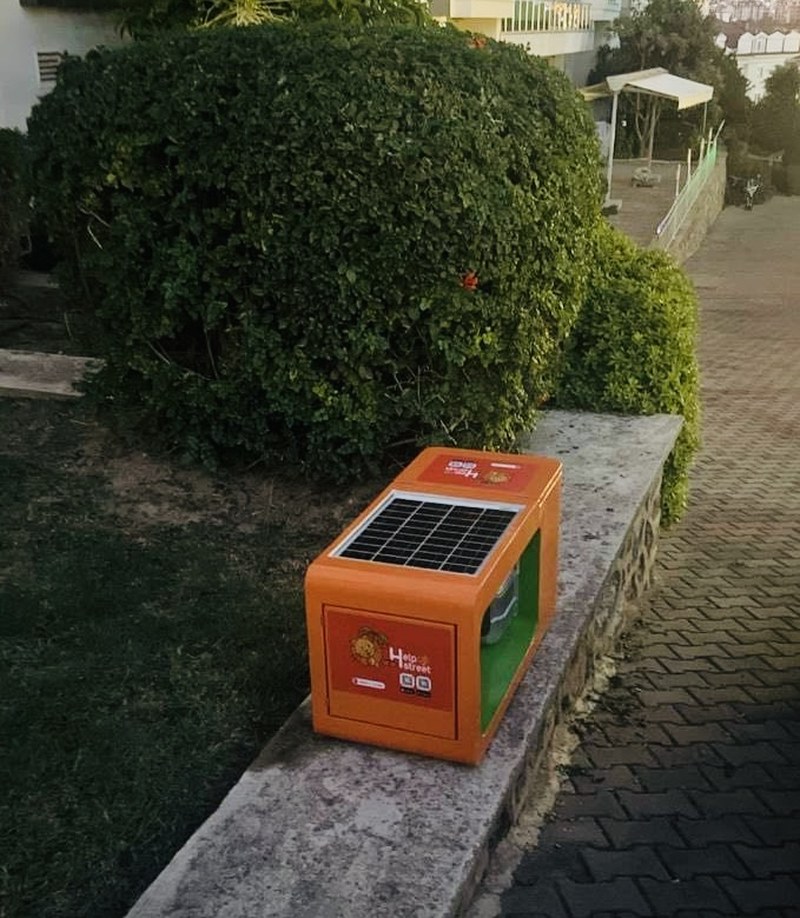
By 29 October 2026, the company reported fourteen completed stations, with some deployed and operating in Alanya. The completed count includes units beyond those currently installed and running.
The public rollout is recent, and Kral puts early app downloads at more than 200. The service has real users and has completed its first paid feedings, bringing the work of development into commercial use.
Feedback from volunteers has brought the original problem back into focus. People caring for particular groups of cats have asked about placing stations where daily visits are difficult, so they could remain involved and activate a feeding remotely.
BT Günlüğü published a technology feature on 8 October 2026, and CatsMatter followed with a story on 14 October. The coverage sits alongside the founders’ continuing work to explain a product whose result is easiest to understand when a person can see a real station responding to an action in the app.
What comes next
Giving people a reason to return is part of the software’s development. The app includes Cat Roulette, described by the team as random station selection with a chance to receive a free feeding.
The founders want to develop more interactive experiences, rewards and loyalty programmes around participation. A future offer might let a customer receive a QR code with a retail purchase or tourism experience and use it to unlock a feeding.
Pet-food brands could support feeding programmes, while gift feedings could allow one person to introduce another to the service. These are ideas for future products and partnerships, not features available today.
The company says the project is protected through two patents relating to the station and its operating method, alongside registered Helpstreet and CatPayCoin trademarks. CatPayCoin is also the name used for the platform’s internal purchasing unit.
The company is seeking €300,000 in its first external investment round to expand the existing network and continue developing the platform. The round is for growth of a working system, not for building a first version.
Kral’s long-term ambition is up to 50,000 stations across the country. Reaching that scale would depend on demand, permissions, viable station economics and the ability to reproduce good local servicing.
Potential partners include volunteers and animal-welfare groups, site hosts, municipalities, relevant institutions, pet-food businesses, retailers and the tourism sector. Their roles would differ, from identifying appropriate locations to organising care on the ground or introducing supporters to the app.
Possible future work includes cooperation with qualified veterinary professionals on vaccination, neutering and care for cats needing treatment. Compatible microchip readers might eventually help recognise animals already carrying suitable chips, as part of properly authorised identification and care arrangements.
Those possibilities would require veterinary partners, appropriate permissions and careful handling of data. They are part of a future ecosystem built around the feeding network, while the service operating today provides the foundation through remote feeding and live observation.
For Kral and Brizhatov, the wider ambition still leads back to the culture that first inspired the project. The people caring for cats in Alanya give HelpStreetCat a place and a reason to exist, and technology can open that place to people farther away.
They want someone who has gone home to be able to keep helping a cat in Alanya.


Leave a Reply