Klivvr Turns K.ai From an AI Adviser Into an AI That Moves Money
Klivvr's K.ai could already answer questions about money. Now it can move it, and that shift from AI adviser to AI agent is the real story behind this week's update.

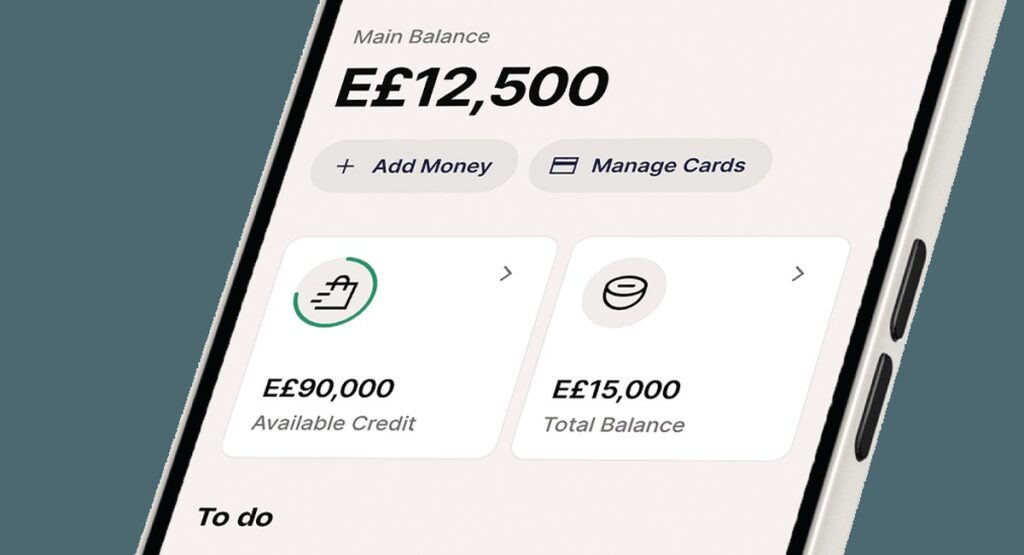
Klivvr has given its AI financial assistant a promotion. K.ai, which launched in May as a tool that answered questions about money, can now move it.
Users of the Egyptian fintech app can now transfer money to any other Klivvr user by prompting K.ai in chat, with no menus to navigate. The assistant can also point them to the nearest Klivvr booth or branch, using real-time location instead of a static directory list.
The features went live in the latest Klivvr app release on 17 November. The news itself is a day old, but we think the shift behind it is worth a closer look, because it marks the moment Egypt’s AI banking assistants stop advising and start acting.
From Answers to Actions
K.ai arrived in May 2026 as Egypt’s first AI-powered financial assistant, built into the Klivvr app. Users could ask questions in plain language about their spending, track transactions and installments, explore offers and check what they could afford.
That made it a useful guide, but still a guide. Every action it suggested still had to be carried out by the user, through the app’s menus.
The update changes that relationship. K.ai has moved from an informational assistant to an action-oriented agent, executing transfers directly inside the conversation.
The second feature is smaller but telling. K.ai now uses real-time geolocation to route users to the nearest Klivvr booth or branch, replacing a static list with no distance sorting.
Put together, the two features do the same thing. They remove steps between wanting something done and having it done, which is the entire promise of an AI agent.
The Agent Moment Arrives in Egyptian Finance
Across the industry, 2026 has been the year AI assistants grew hands. The question every bank and fintech now faces is not whether an assistant can answer questions, but whether users will let it act on their money.
That is a trust question before it is a technology question. A transfer ordered by chat prompt has to feel as certain as one made by tapping through menus, and users will judge K.ai on the transfers that go right and the ones that go wrong.
Klivvr has one advantage here. Transfers inside its own app move between Klivvr users, so the assistant operates inside a closed loop the company controls end to end.
The test now is adoption. If users start their transfers in chat instead of in menus, every other Egyptian fintech will have to answer with an agent of its own.
Why Egypt Is Ready for This
K.ai is not arriving into a cash economy learning digital payments from scratch. Egypt’s instant payment network has already changed how money moves, with more than 24 million registered users and over 2.4 billion transactions worth around EGP 7 trillion by September 2026.
The Central Bank of Egypt puts financial inclusion at 79% of citizens aged 15 and over, with 56.4 million people holding active transaction accounts as of June 2026. That is the audience K.ai is speaking to, people who already move money on their phones and are ready for the next step.
Klivvr sits inside that shift rather than ahead of it. The company, founded in Egypt in 2021 and approved by the Central Bank of Egypt in 2023, says its customer base has grown to more than 700,000 users.
The Business Behind the Assistant
K.ai is the visible face of a much larger operation. Klivvr runs an integrated financial ecosystem covering payments, lending, budgeting and money management, with a Buy Now, Pay Later service offering financing of up to EGP 500,000 over up to 60 months.
The assistant’s original job, tracking installments and obligations, makes more sense in that light. K.ai was built on top of a lending business, and its upgrade arrives as that business finds new funding.
In the same week as the K.ai update, EFG Hermes completed advisory work on Klivvr Consumer Finance’s debut securitized bond, a EGP 301 million issuance under a broader EGP 8 billion programme. The single 13-month tranche, backed by a receivables portfolio, received an A- credit rating.
That is the funding engine behind the features. Securitization turns Klivvr’s loan book into cash it can lend again, which is what lets a fintech of 700,000 users keep growing its credit products.
Our debut securitization issuance marks a defining milestone in Klivvr’s growth journey, supporting our transition towards a more agile and capital-efficient phase of growth.
Nils Bachtler, Co-Founder and CEO of Klivvr
What to Watch Next
The interesting questions about K.ai are now the ones no launch announcement answers. How many users will trust a chat prompt with their money, and how quickly will that trust build or break?
The second question is how far the agent goes. Transfers and branch directions are a start, but the same logic extends to bill payments, installment settlements and purchases inside K.Shop, Klivvr’s in-app marketplace.
The third is competitive. Klivvr is early to this among Egyptian financial apps, and rivals will now decide whether to follow or to argue that some actions should stay manual.
For now, K.ai has done the hard part. It has crossed the line from telling users about their money to handling it, and in financial services, that line is the one that matters.




Leave a Reply