Tesla Is Killing the Cybertruck After Three Years. The Numbers Explain Why
Tesla will wind down Cybertruck production in 2027 after selling about 71,000 trucks against a 250,000 a year plan. The sales, the price and the recalls explain why.

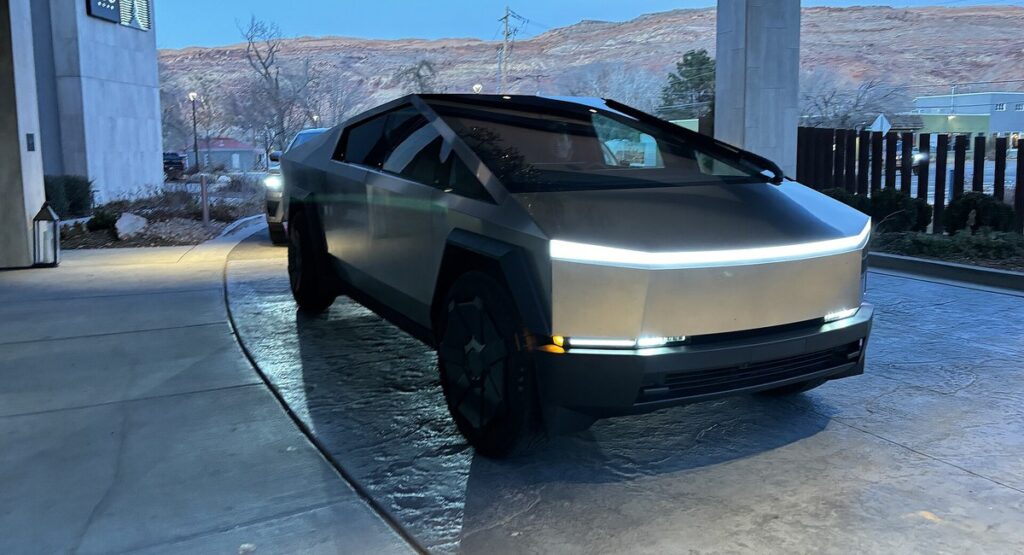
On 6 November 2026, Elon Musk ended one of the most talked about vehicle programmes of the decade in a single post on X. Tesla, he wrote, will wind down production of the Cybertruck at Gigafactory Texas to make room for increased Cybercab production.
The truck had been on sale for barely three years. In that time it gathered more than a million reservations, arrived two years late, nearly doubled in price, logged 11 safety recalls and sold at roughly a tenth of the rate its production line was built for.
“Tesla will be winding down production of the Cybertruck at Gigafactory Texas around the middle of next year to make room for increased Cybercab production.”
Elon Musk, Chief Executive of Tesla, on X, 6 November 2026
The wind down is real, and it is already under way. The only question left is what exactly killed the truck, and the answer is not one thing but a pile of them.
The numbers that killed it
Tesla does not report Cybertruck sales on their own, so the industry relies on estimates from Cox Automotive and Kelley Blue Book. Those estimates tell a clear story of a launch spike followed by a steady fall.
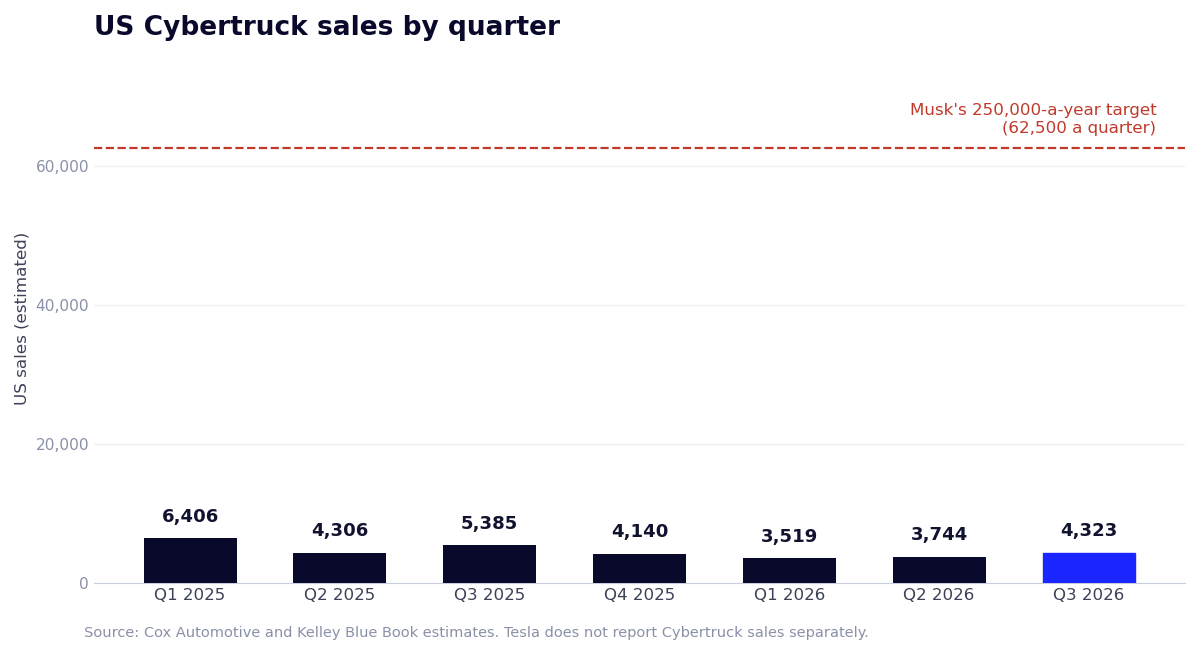
The peak came in the third quarter of 2024, when Tesla sold an estimated 14,416 Cybertrucks in the United States. By the first quarter of 2026, quarterly sales had fallen to 3,519, the lowest since launch.
Annual sales fell from 38,965 in 2024 to 20,237 in 2025, a drop of 48 percent and the steepest fall for any electric vehicle in the United States that year. Through the first nine months of 2026, Tesla sold just 11,586, down another 28 percent.
Add it up and the total comes to about 70,800 trucks in the United States since deliveries began in late 2023. Musk had predicted 250,000 a year, and the Gigafactory Texas line was built for that volume, so the truck ran at roughly a tenth of its planned pace.
The picture gets stranger on closer inspection. Registration data showed that 1,279 of the 7,071 Cybertrucks registered in the United States in the fourth quarter of 2025 went to SpaceX, with Musk affiliated companies taking 1,339 in total, about 19 percent of the quarter.
And yet the Cybertruck still led its segment. In the third quarter of 2026 it was the best selling electric pickup in the United States with 4,323 sales, more than twice the Rivian R1T at 1,732, which says as much about the state of the electric pickup market as it does about the truck.
Tesla’s own figures point the same way. The company’s Other Models category, which now holds almost nothing but the Cybertruck after Model S and Model X production ended in April 2026, delivered 8,295 vehicles in the third quarter of 2026, down 48 percent from a year earlier and its lowest total since 2021.
A price that never kept its promise
The Cybertruck was unveiled in November 2019 with a promised starting price of $39,900. By the time deliveries began on 30 November 2023, the cheapest version on sale was listed at $60,990, and the range topping Cyberbeast cost $99,990.
| When | Cheapest Cybertruck | What happened |
|---|---|---|
| November 2019 | $39,900 promised | Unveiling price for the single motor version, with production due in late 2021 |
| November 2023 | $60,990 listed | First deliveries begin, two years late, about $21,000 above the promise |
| April 2025 | $69,990 | Cheaper rear wheel drive version arrives, then disappears after five months |
| February 2026 | $59,990 | Dual motor all wheel drive offered for 10 days only, then raised to $69,990 |
| August 2026 | $74,990 | Tesla adds $5,000 to the entry price |
| 5 November 2026 | $82,490 | Prices rise again the day before Musk announces the wind down, and the cheapest trim stops taking orders |
| 10 November 2026 | $109,990 | Premium trim closes too, leaving the Cyberbeast as the only version left to order |
The final price is almost triple the one Musk promised in 2019. In early August 2026 the cheapest Cybertruck cost $69,990, and by 10 November the only one left to order cost $109,990, a rise of 57 percent in about three months.
Tesla also pulled back overseas. The truck was never engineered for sale in Europe, and in October 2026 Tesla told reservation holders in Australia and New Zealand that plans to produce the Cybertruck for those markets had been discontinued, refunding deposits some customers had held for seven years.
Eleven recalls in three years
The US safety regulator, the National Highway Traffic Safety Administration, lists 11 recall campaigns covering the Cybertruck between January 2024 and April 2026. Seven of them landed in the first year, and four were fixed with over the air software updates while the rest needed a service visit.
| Filed | Problem | Trucks covered |
|---|---|---|
| April 2024 | Accelerator pedal pad could come loose and jam | 3,878 |
| June 2024 | Windshield wiper motor could fail | 11,688 |
| March 2025 | Exterior light bar could delaminate and detach | 46,096 |
| October 2025 | Front parking lights too bright for other drivers | 63,619 |
| April 2026 | Brake rotor stud holes could crack on 18 inch steel wheels | 173 |
Owners have also filed more than 200 complaints with NHTSA, most often about the electrical system and the body structure. Complaints are unverified reports rather than confirmed defects, but the pattern matches what owners say in public reviews.
What owners actually say
The Cybertruck divides its owners almost as sharply as it divides everyone else. On Edmunds, the truck holds an average owner rating of five stars out of five across 25 reviews, while the site’s own experts scored the 2026 model 7.3 out of 10.
Owners praise the driving feel, the roomy cabin and the technology, and they complain about fingerprints on the stainless steel, wind noise, small build issues and trips to the service centre. The individual reviews show both sides of that split.
“Put down the deposit 4 years ago. Took delivery in May and going through the lemon law process right now with my state. It’s been nothing short of a nightmare and I legitimately don’t think they tested this vehicle at all.”
CyberMan, Cybertruck owner, Edmunds review, 19 July 2024
That owner listed a drivetrain replaced twice, a screen that failed three times, a tonneau cover that broke twice and trim that came loose. The review was marked helpful by 50 of 64 readers.
“As a person who has never owned an EV or Tesla but has owned pick-up trucks for 15+ years, I am very pleased and do not miss my ICE pick-ups at all.”
PJ, Cybertruck owner, Edmunds review, 19 July 2024
The same owner still knocked a star off for the stainless steel exterior, which he called difficult to clean, and for a week the truck spent in a service centre with a faulty part before it had covered 300 miles.
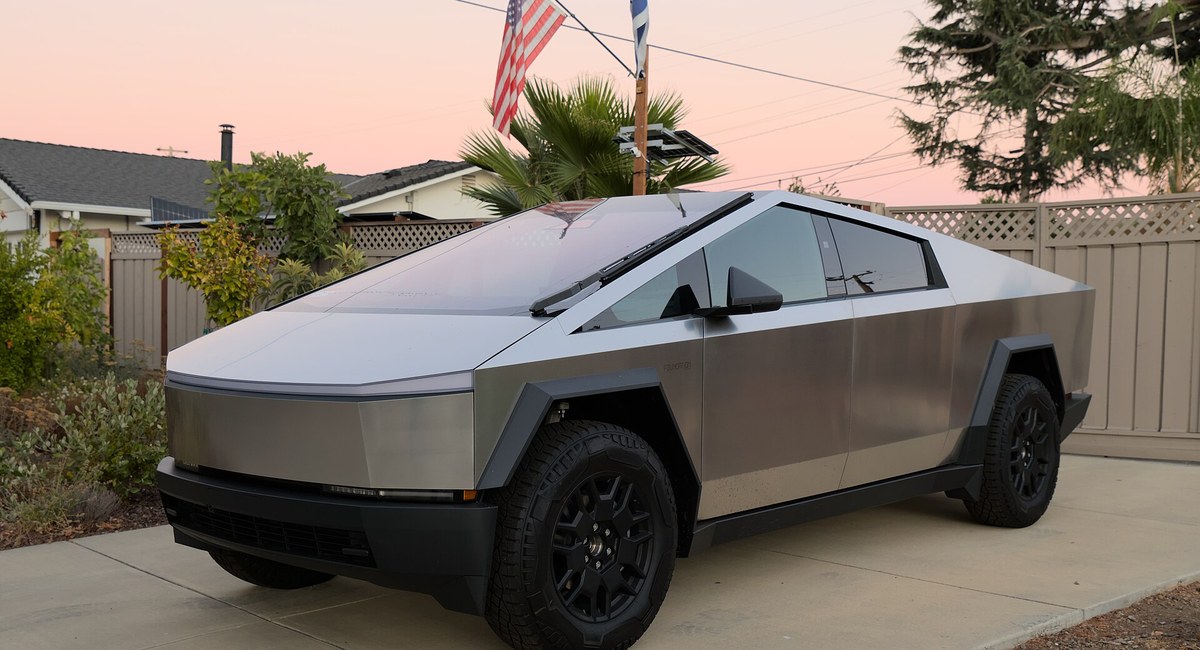
A longer term owner came to a similar mixed verdict. Ryan Shaw, who ran a Cybertruck for 18 months and 12,000 miles, wrote that he personally loved owning the car despite all of its quirks and issues, while noting trim that came loose, a sticky frunk and a rattle.
“People either love or hate the look. By far the worst angle is the rear, and that is the angle most people are actually seeing. And when you do a double take at a dumpster because you thought it was a Cybertruck, you know the critics are kind of right. I actually did that.”
Ryan Shaw, Cybertruck owner, 18 month ownership review, July 2026
Edmunds experts were cooler on the truck than its owners. They praised the acceleration and the towing capacity, but called the outward visibility awful, said the touchscreen controls nearly everything and is distracting to use, and recorded more than 20 minutes to add 100 miles of range in their charging test.
The warnings were there from the start
Musk himself warned investors before the first delivery. On Tesla’s third quarter earnings call in October 2023, weeks before deliveries began, he said the truck would be enormously challenging to build at volume and told investors to temper their expectations.
“We dug our own grave with Cybertruck.”
Elon Musk, Tesla third quarter 2023 earnings call, 18 October 2023
On the same call he predicted roughly 250,000 Cybertrucks a year, probably from 2025, and said more than a million people had reserved the truck. The reservations never converted at anything like that rate, and the 250,000 figure was never approached.
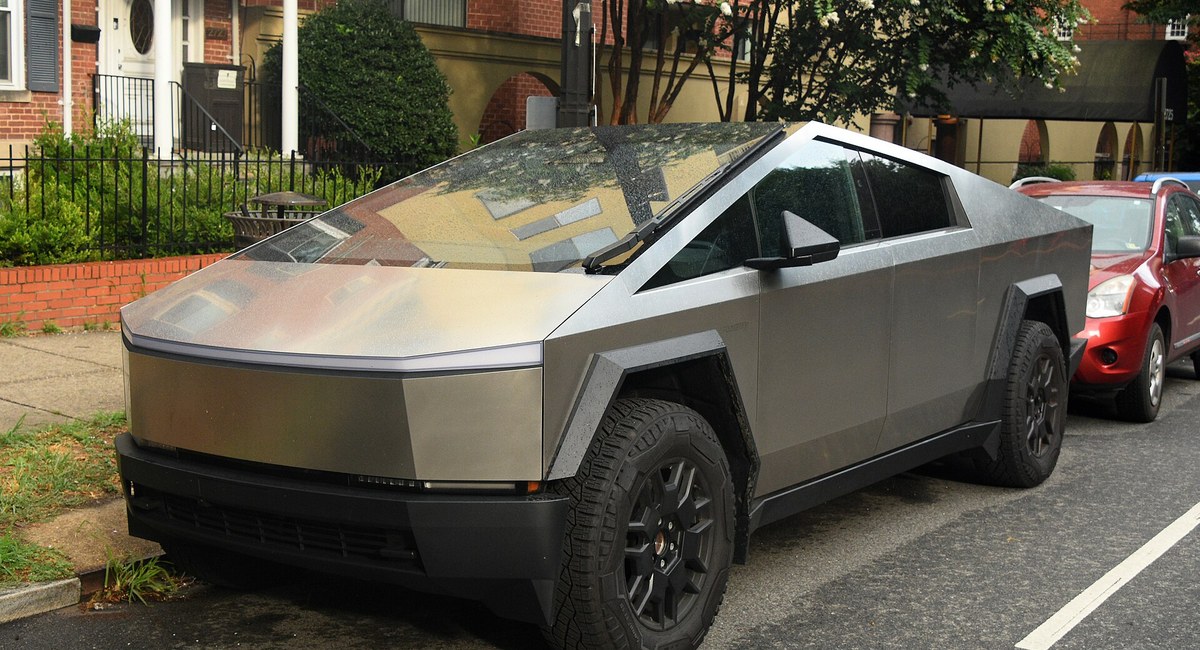
The truck was first written into Tesla’s official roadmap in July 2016, in Musk’s Master Plan Part Deux. It was unveiled in November 2019, when a steel ball thrown at its supposedly shatterproof window cracked the glass on stage, and production was due to begin in late 2021.
Deliveries finally began on 30 November 2023, two years late. The pre-order wait ended up longer than the production run that followed.
Why Tesla wants the factory back
The wind down is not just about weak sales. Gigafactory Texas is the only plant that builds the Cybertruck, and Tesla wants the floor space for the Cybercab, its two seat robotaxi with no steering wheel and no pedals, which is already in production at the same plant.
The Cybercab is the vehicle Tesla’s robotaxi ambitions now rest on. Tesla began inviting select customers to buy one for personal use in November 2026, priced at $29,990 with a $299 a month Autonomy Subscription, with first deliveries in Austin in December 2026.
Musk hinted at the direction on Tesla’s earnings call in January 2026, when he said the Cybertruck line would move toward autonomy.
“We will transition the Cybertruck line to just a fully autonomous vehicle.”
Elon Musk, Tesla earnings call, 28 January 2026
The Cybertruck is the third Tesla nameplate retired in 2026, after Model S and Model X production ended in April. Tesla is reshaping itself around robotaxis and humanoid robots, and a low volume pickup no longer fits the factory plan.
The wider market did not help. United States electric vehicle sales fell 30 percent in the first nine months of 2026 after the $7,500 federal tax credit was eliminated, and Ford also ended production of its F-150 Lightning electric pickup in 2026.
A short run in the Gulf too
The Cybertruck reached the Middle East only this year. Tesla began deliveries in the United Arab Emirates in January 2026, its second market outside North America after South Korea, where deliveries began in late 2025.
It never went on sale in Europe, and with production ending in 2027 the truck’s time in the region looks set to be brief. The UAE was one of the last places to get the Cybertruck, and it will be one of the last to see new ones arrive.
What happens next
The end date has already moved twice. Musk first put the wind down around the middle of 2027, then said the line would close around June or July, and on 11 November he extended production through the end of summer 2027 to work through more of the order backlog.
Musk has said the order backlog is larger than Tesla can build before the line is dismantled, and that the company will add an extra shift to try to finish the orders. Buyers whose trucks are not built in time will have their deposits refunded.
Cybertruck lead engineer Wes Morrill has confirmed the truck is ending its production run and said parts and service will continue. New Cyberbeast orders carry a delivery window of March to June 2027.
For the roughly 71,000 trucks already on the road, the question now is resale value and long term support. For Tesla, the question is whether the Cybercab can fill the factory and the story the Cybertruck leaves behind.
What the Cybertruck leaves behind
The Cybertruck was never really a truck programme. It was a bet that a radical design and a famous name could bend the pickup market around them, and the market declined.
What it leaves behind is more interesting than the truck itself. Steer by wire, a 48 volt architecture and a stainless steel body pushed manufacturing ideas that other carmakers are now borrowing, and owners keep pointing to the steering and the ride as things they will demand from their next vehicle.
Tesla’s lesson is narrower. A million reservations are not a million buyers, a factory built for 250,000 trucks a year is a liability at 20,000, and a product that needs its own factory needs a market big enough to fill it.




Leave a Reply