Space42’s TXAI Robotaxis Pass 950,000 Incident-Free Kilometres in Abu Dhabi
Space42's TXAI driverless taxi service has passed 950,000 incident-free kilometres across 75,000 passenger trips in Abu Dhabi, as the company publishes a new Viewpoint on what Level 4 autonomy needs to scale.

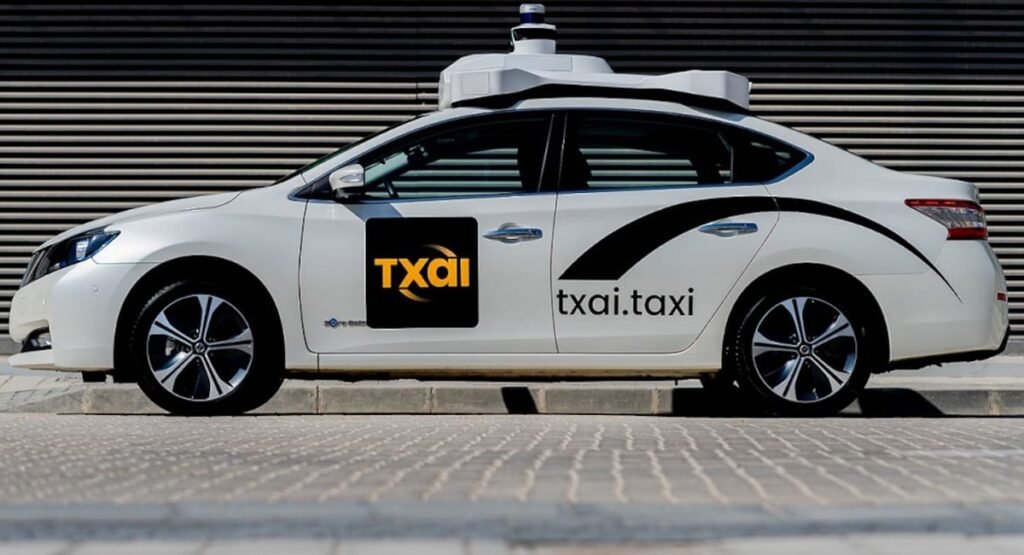
Space42 has published a new Viewpoint on Level 4 autonomy, and with it a fresh milestone for its driverless taxi service. As of October 2026, TXAI had completed more than 950,000 incident-free kilometres across 75,000 passenger trips in Abu Dhabi.
TXAI launched in November 2021 on Yas Island, Saadiyat Island and at Abu Dhabi Airport. The service now runs across Saadiyat, Yas, Al Maryah and Al Reem Islands, as well as Abu Dhabi Airport.
What the Viewpoint argues
The Viewpoint is called Level 4 Autonomy: Opportunities and Challenges. It argues the economic value of driverless mobility will depend less on the vehicles and more on what sits behind them: sovereign data infrastructure, connectivity and clear routes to regulatory approval.
Space42 lists five building blocks for Level 4 autonomy. They are a validated automated driving system, a clearly defined operational design domain, supporting connectivity infrastructure, a clear path to regulatory authorisation, and unit economics that hold up.
The Viewpoint sets three priorities for the next phase. They are establishing verifiable safety and operational performance, improving the economics of routine service delivery, and reducing the effort needed to repeat an approved deployment in new locations.
Abu Dhabi’s phased rollout
Abu Dhabi is targeting autonomous transport for 25 percent of all public trips by 2040. The emirate now has a registered fleet of 69 autonomous vehicles, overseen by the Smart and Autonomous Systems Council, Abu Dhabi Mobility and the SAVI Cluster.
The goal is fully remote operations with no human supervisor on board. Today the service is still offered free, with discussions under way about future pricing.
The jump is sharp. A year ago the figures stood at nearly 600,000 kilometres and 20,000 trips, so the service has added about 350,000 kilometres and 55,000 trips since then.
Globally, 23 cities offered commercial robotaxi services as of May 2026, up from 10 in 2024, with Abu Dhabi and Dubai among them.
“With sophisticated path-planning algorithms, TXAI can execute smooth lane changes, merge safely into traffic, and proactively avoid potential hazards.”
Fan Zhu, Senior Vice President, Autonomous Mobility at Space42
How the vehicles see the road
TXAI vehicles use LiDAR, cameras, radar and AI-driven decision-making to detect, analyse and predict the movements of other vehicles, pedestrians and obstacles in real time. They navigate with real-time kinematic positioning and simultaneous localisation and mapping, for centimetre-level accuracy even where GPS signals are weak.
The vehicles have been cleared for on-road operations by Abu Dhabi Mobility and the Abu Dhabi Police.
What comes next
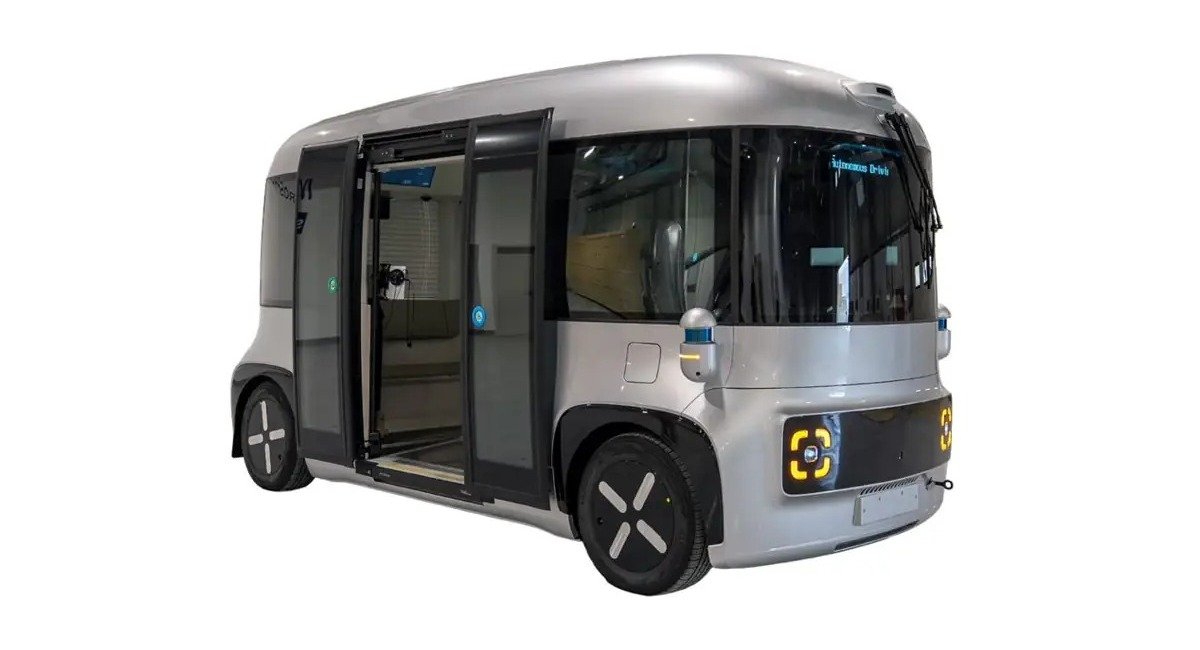
Space42 is changing the fleet behind the service. Its joint venture with South Korea’s Autonomous A2Z, called NEXO, is supplying 19 new vehicles under a US$7 million agreement signed in August 2026.
The order includes eight ROii driverless shuttles, five Kia PV5-based vehicles, five Kia Carnival-based vehicles and one MAN bus. They replace the Chinese-built fleet that has run TXAI until now, with pilot roboshuttle operations on Saadiyat and Yas Islands in the second half of 2026, and demand-responsive transit and tourist shuttles planned from 2027.
Space42 is also building the UAE’s first Sovereign Mobility Cloud with Core42 and Microsoft, designed to host mobility data and autonomous systems securely inside the country.
The real race is behind the wheel
The milestone matters because it is evidence, not a promise. Seventy-five thousand trips without an incident is the kind of record regulators and the public can check, and it is what lets a service expand from two islands to a whole city.
Space42’s own argument is the honest one. The cars work, and the harder problem now is the layer behind them, the maps, the data, the connectivity and the approvals that let the same service repeat in a new place without starting over.
The test ahead is commercial. TXAI is still free, the new Korean fleet has to prove itself on Abu Dhabi roads, and the 25 percent target for 2040 will need the economics of each trip to hold up once passengers start paying.




Leave a Reply